
WORKSHOP PRESENTERS
Workshop 1: Sue Smith: Wildflowers in the Home Landscape
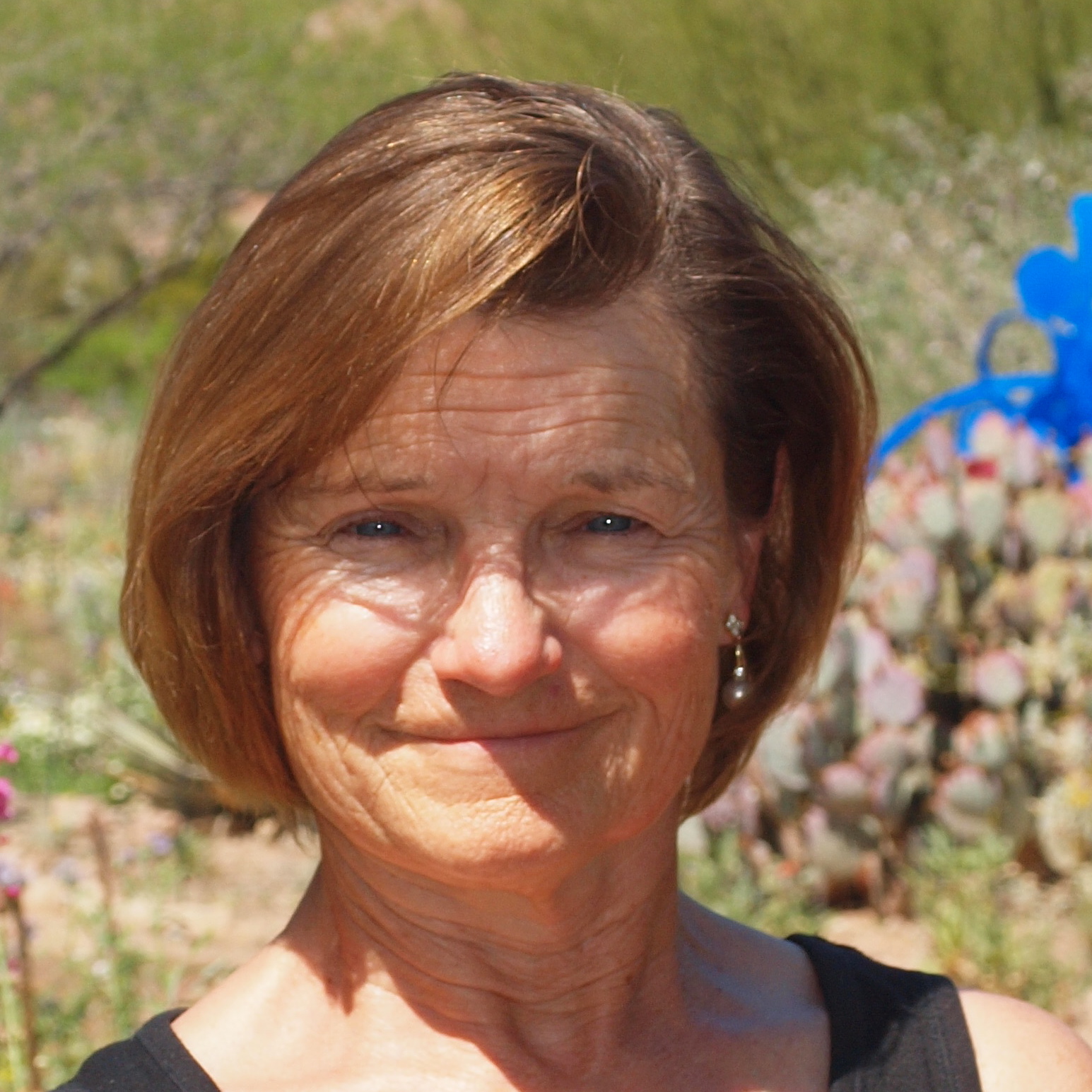 In a world dominated by petunias, zinnias, and marigolds, wildflowers provide grace and elegance. Wildflowers are valued for their ornamental qualities and ease of maintenance. Once established wildflowers often require very little attention, providing you with years of carefree beauty. Native plants are valued for their preservation of biodiversity and ecological balance. Since these plants evolved alongside native insects, birds, and other creatures, they are an important source of food and shelter. Nature is random, and the wildflower garden should reflect this appearance. Clusters, clumps, or individual placements are a natural arrangement. Come and learn about adding native wildflowers to your landscape.
Sue Smith’s interest in plants has been a lifelong interest. Most of her knowledge is self-taught. Her gardening experience began at 6 years of age and by middle school, she was in charge of the family garden and entering her prize vegetables in the county fair. Wildflowers became an interest after moving to California in 1978.
After retiring from a career in computer science she pursued her lifelong passion for plants. She loves gardening, hiking, and photography, and the study of plants. She has been a member of the California and Arizona Native Plant Societies for over 20 years. She is currently president of the Prescott Chapter of the Arizona Native Plant Society, a master gardener, and a volunteer for the Highlands Center for Natural History. She is a volunteer for the Grand Canyon Trust, the Plant Atlas Project of Arizona, and the development of the Yavapai County Native and Naturalized Plant website, a project of the Yavapai County Extension Master Gardeners. Currently, her energies are focused on earning her Masters in Natural Resource Management at Utah State University.
Workshop 2: Shaun Symond: Selecting and Planting Native Plants with Demonstration (Maximum of 20, rain or shine)
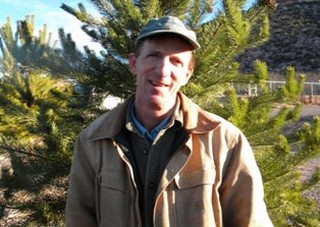 This class is all about picking the right native for your needs, be it for weather and choosing a full-size Arizona ash for shade and fall color or a black foot daisy that never stops blooming. You will also learn about soil amendments, watering, and care for your native plants.
Workshop 3: Chris Anderson: Creating Landscapes That Water Themselves
 Every acre in Sedona receives 425,000 gallons of rain and melted snow in an average year. Most of us let hundreds of thousands of gallons of grey water (shower, laundry, and bathroom sink water suitable for re-use in the landscape) go down our indoor drains. It’s not a lack of rainfall that limits gardening and landscaping in Sedona, but rather simple design decisions, high evaporation, and misdirection of resources. Creating Landscapes that Water Themselves uses Permaculture principles to turn traditional landscaping upside down, creating resilient landscapes that use available resources wisely for creating beauty and abundance for homeowners and for our community.
Workshop 4: Kevin Harding: Walkabout – Identifying Native Plants & Their Uses
(Walkabout Rain or Shine: Maximum 15 per Session)
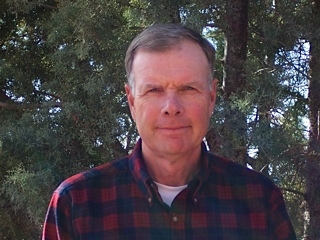 This offering will be outside (rain or shine) and will focus on the how native plants are used by wildlife (birds and mammals) as well as first nation people. We will walk less than one mile and try and get beyond just naming plants to discuss their place in the ecosystem.
Workshop 5: Max Licher: Have No Fear of Grass! An Introduction to the Importance, Beauty & Amazing Diversity of Grasses
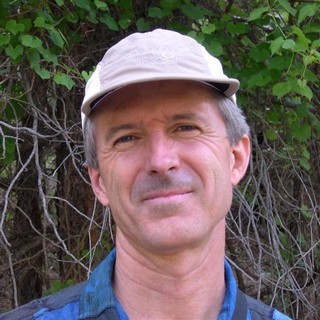
This workshop will be an introductory one on grasses and their relatives in Sedona and the Verde Valley Area, with particular attention to the most commonly found local species – both pests and useful native ones. Through beautiful images, Max will help people realize that grasses can be just as interesting as their more showy flowering relatives. He will try to give participants a basic understanding on how to see grasses in the ecosystem, and begin to tell apart annuals from perennials, rhizomatous habit from bunchgrass habit, invasive species from beneficial native ones. He’ll have a handout or two on the best natives for planting and re-vegetation, including the worst invasive ones to avoid.
Workshop 6: Hattie Braun: Landscape for Life: A New Approach to Sustainable Home Landscaping
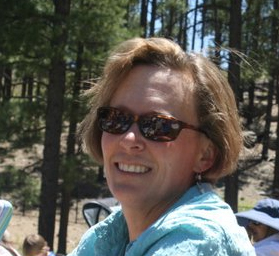
Hattie Braun has lived and gardened in Flagstaff for 23 years. She has a M.S. in Horticulture from Pennsylvania State University. As the Master Gardener Program Coordinator for Coconino Cooperative Extension for the past 13 years, Hattie has the good fortune to be able to work with many wonderful Northern Arizona gardeners on a variety of topics including native plant gardens, invasive species, and Landscape for Life. She became a Landscape for Life Trainer in 2014 and offered to course to Coconino Master Gardeners in 2015. The class created a rain garden at the Coconino Extension Office for their final project.